
The Allure of the Casino Atmosphere
The atmosphere of a casino is meticulously crafted to captivate and engage its visitors. From the moment one steps through the entrance, they are enveloped in an enchanting world filled with bright lights, vibrant colors, and lively sounds. This sensory overload is not accidental; it is a carefully designed experience aimed at drawing players into a state of excitement and anticipation. The layout of the casino, with its winding pathways and strategically placed gaming tables, encourages exploration and fosters a sense of urgency. Players may find themselves discovering pokies online nz as they move from one game to another, caught up in the thrill of potential wins, which often leads to longer gambling sessions.
Moreover, the architecture and design of casinos play a significant role in shaping the overall experience. Many casinos resemble grand theaters or opulent palaces, creating an atmosphere that feels otherworldly and luxurious. The absence of clocks and windows adds to this illusion, as players can easily lose track of time while immersed in the gaming environment. This psychological manipulation provides a sense of freedom and escapism, allowing individuals to temporarily forget their everyday responsibilities and immerse themselves in a realm of chance and fortune.
The auditory elements within the casino—such as the sounds of coins clinking, cheers from winners, and upbeat music—enhance the emotional experience of gambling. Each game emits unique sounds that serve as cues for wins or losses, creating a feedback loop that can become addictive. Winning sounds, in particular, trigger the release of dopamine in the brain, reinforcing the behavior and encouraging players to continue gambling in pursuit of that euphoric feeling. This interplay between environment and emotion is crucial in understanding why many individuals are irresistibly drawn to the world of casino gambling.
The Role of Cognitive Biases in Gambling
Cognitive biases significantly shape how players perceive their chances of winning in various gambling scenarios. One common bias is the illusion of control, where individuals mistakenly believe that they can influence the outcome of a game through skill or strategy, despite many games being purely chance-based. For instance, players might convince themselves that their choice of numbers or betting style can affect their likelihood of winning. This false sense of control can lead to increased betting, often resulting in substantial financial losses as players push their limits, convinced that their strategy will eventually pay off.
The gambler’s fallacy is another prevalent cognitive bias that affects gambling behavior. Individuals may believe that past outcomes influence future results, leading them to assume that a specific number or outcome is “due” to occur after a streak of losses. This misconception distorts their understanding of randomness and fuels a cycle of continuous betting. The desire to chase losses becomes a powerful motivator, as players remain convinced that they are on the brink of a winning streak, further entrenching themselves in the gambling cycle.
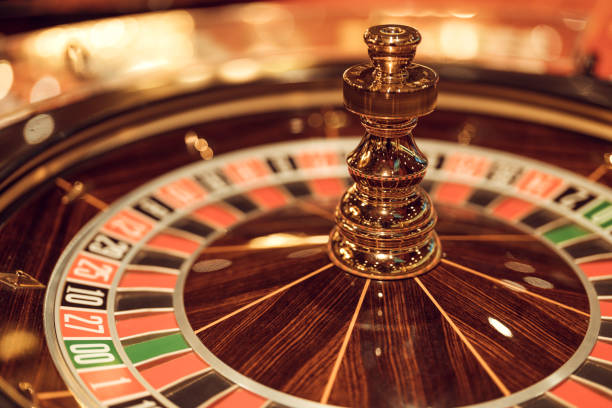
These cognitive biases are not merely individual quirks; they are also exploited by casinos through tactics such as hot streaks and near misses. For example, when players experience a series of small wins or an almost-win, it can encourage them to keep playing, believing that they are close to achieving success. By understanding these psychological mechanisms, casino operators can enhance player engagement and extend gambling sessions, often at the expense of the players’ financial well-being. Recognizing these biases can empower players to make more informed decisions about their gambling habits.
The Emotional Factors in Gambling Behavior
Emotional factors play a pivotal role in shaping gambling behavior, with many individuals turning to casinos as a means of coping with stress, anxiety, or boredom. The thrill and excitement associated with gambling can provide a temporary escape from the pressures of daily life, allowing individuals to immerse themselves in a world where their worries seem to vanish. However, this reliance on gambling for emotional relief can lead to problematic behaviors and an unhealthy relationship with both gambling and one’s personal emotions.
Additionally, the social aspect of gambling cannot be overlooked. Many people frequent casinos not only for the games but also for the camaraderie and social interactions that accompany them. Engaging with friends or meeting new acquaintances can enhance enjoyment and foster a sense of belonging. However, this social pressure can also lead to increased betting, as individuals may feel compelled to keep up with their peers or perceive their self-worth as being tied to their gambling success. This complex interplay of social dynamics adds another layer to the reasons individuals engage in gambling.
As gambling becomes intertwined with emotional states, it is essential for individuals to reflect on their motivations for playing. Understanding whether gambling serves as a form of escapism or a source of social validation can help players recognize potential red flags in their behavior. This self-awareness is crucial for fostering healthier habits and ensuring that gambling remains a form of entertainment rather than a source of distress. By addressing emotional triggers and cultivating mindful gambling practices, individuals can enjoy the thrill without compromising their emotional well-being.
The Impact of Rewards and Reinforcement in Gambling
The psychology of rewards is fundamental to the gambling experience, as casinos often implement reinforcement systems designed to encourage repeat behavior among players. The immediate gratification associated with winning—whether it is cash, complimentary services, or loyalty points—creates a positive feedback loop that reinforces gambling behavior. As players experience these rewards, their brains release dopamine, which enhances the pleasurable sensations linked to winning and motivates them to continue gambling in hopes of replicating that high.
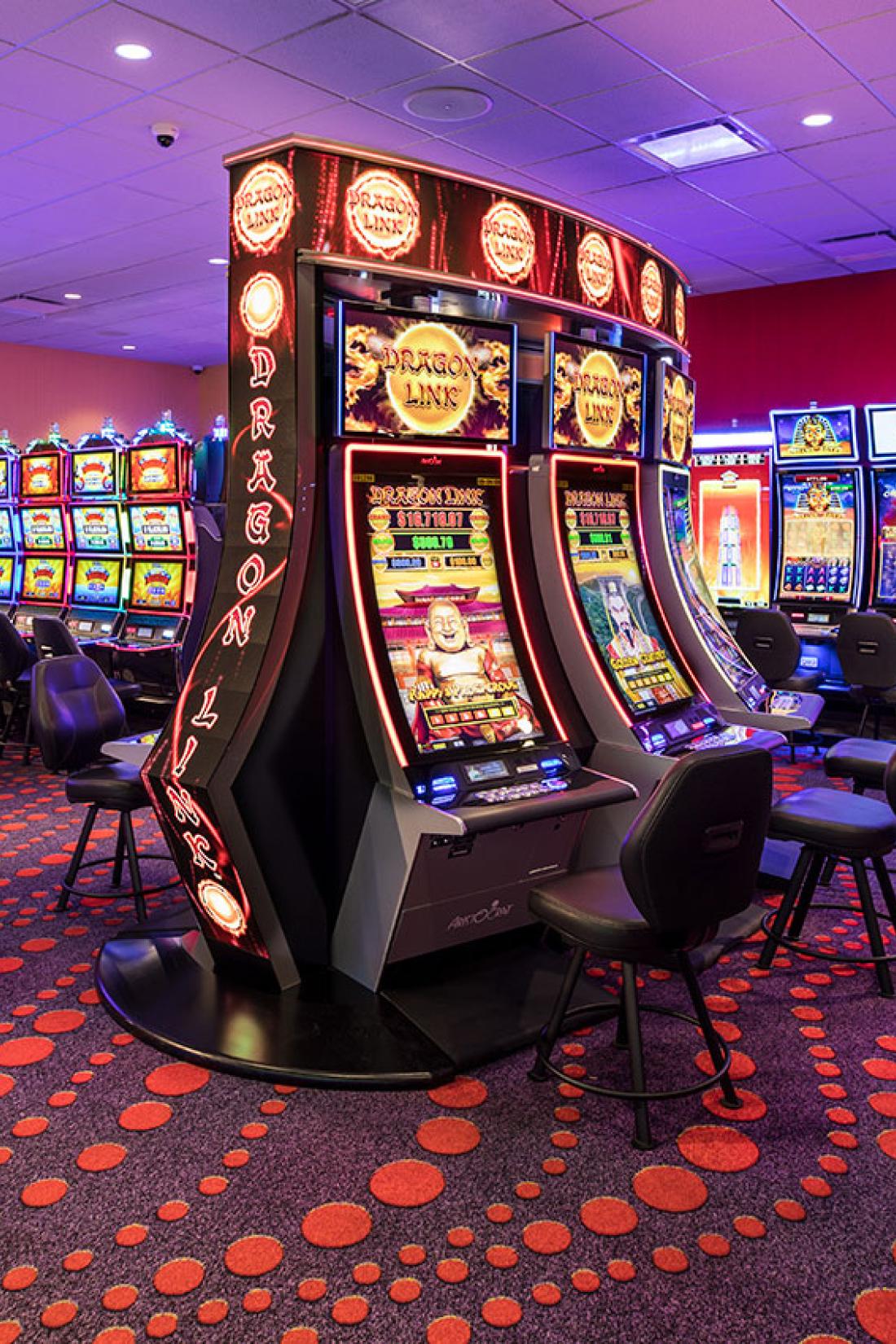
Intermittent reinforcement is a critical factor in the gambling model. Unlike predictable rewards, the randomness of wins keeps players engaged, as they are uncertain when the next victory might occur. This unpredictability is particularly evident in games like slot machines, where players may spin numerous times without success, only to hit a jackpot unexpectedly. The thrill of not knowing when a win will come creates a powerful psychological pull, leading players to return for more, often extending their gambling sessions far beyond their initial intentions.
Moreover, loyalty programs and bonuses amplify the psychology of rewards within casinos. These incentives foster a sense of belonging and loyalty among players, making them feel valued and appreciated. However, this can also lead to overspending as players chase rewards. The combination of immediate gratification and long-term incentives illustrates how casinos effectively exploit psychological principles to maintain player engagement and loyalty, often at the cost of the players’ financial security. Understanding these mechanisms can help players navigate their gambling experiences more responsibly.
Your Resource for Understanding Casino Psychology
Our website serves as a comprehensive resource for anyone interested in exploring the psychology behind casino gambling. We provide insightful articles, research studies, and expert opinions that delve into the various psychological elements influencing gambling behavior. Whether you are a casual player seeking to understand the intricacies of the gaming world or someone looking to make more informed decisions about gambling, our content aims to enlighten and inform.
By offering a wide array of perspectives, we strive to encourage responsible gambling practices and equip our readers with the knowledge necessary to recognize the psychological traps that can ensnare them. Understanding the motivations, biases, and emotional responses associated with gambling is essential for making informed decisions. Our goal is to foster a community that values awareness and education around gambling psychology, promoting healthier gaming habits.
Join us as we explore the multifaceted world of gambling psychology together, ensuring that your gaming experience is both enjoyable and grounded in an understanding of the underlying psychological factors at play. Your journey toward responsible gaming begins here, where knowledge meets awareness, paving the way for a healthier approach to casino gambling.