The Thrill of Risk and Reward
The concept of risk and reward is one of the primary motivations behind why people gamble. The anticipation of potentially winning a significant amount of money can elicit an adrenaline rush that is irresistible to many. This thrill resonates deeply with human psychology, as individuals often feel invigorated by the uncertainty of the outcome. For instance, the excitement of placing a bet or spinning a slot machine can overshadow the rational fear of losing, making the gamble feel like a worthy risk to take, especially when considering options like online casino ontario fast withdrawal that enhance the overall experience.
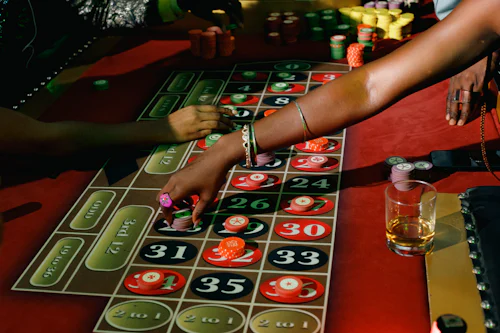
Moreover, casinos are designed to amplify this experience. With striking visuals, engaging sounds, and the excitement of fellow gamblers, the environment is specifically tailored to enhance the feeling of exhilaration. The bright lights and engaging games create an atmosphere that encourages players to immerse themselves in the experience. This sensory overload draws individuals into a world where the potential for winnings feels just a moment away. As a result, the allure of gambling often stems from this enchanting ambiance, making it easy for individuals to get caught up in the moment and, in some cases, lose track of their spending.
The psychological aspects of risk-taking can also contribute to a gambler’s experience. Many people enjoy pushing their limits, and gambling can serve as a safe outlet for this behavior. The notion of placing a bet, even if it’s on a whim, can evoke a sense of empowerment. This delicate balance of risk and potential reward is what keeps gamblers returning, as each experience is unique and full of possibilities. For them, the next game could be the one that changes everything, fueling their desire to keep playing and seeking out that next thrill.
The Social Aspect of Gambling
Gambling is often a social activity, drawing people together in a shared experience. Many individuals enjoy visiting casinos with friends or family, turning the activity into a social event rather than a solitary endeavor. This communal element can significantly enhance the thrill of the game, as people cheer each other on and share in the ups and downs of wins and losses. The camaraderie built during these moments can create lasting memories and strengthen bonds between friends, making the experience more enjoyable and meaningful.
Additionally, casinos frequently host events, performances, and dining opportunities, further enriching the social aspect of gambling. These venues often serve as entertainment hubs where people can engage in various activities beyond just gaming. This multi-faceted approach to entertainment attracts a diverse crowd, making the casino experience enjoyable for everyone involved. The chance to meet new people and forge connections adds another layer of appeal to the gambling experience, transforming it from mere betting into a vibrant social affair.
Furthermore, online gambling platforms have adapted this social aspect by integrating chat features and multiplayer games. Players can interact with others, share strategies, and cheer each other on from the comfort of their homes. This innovation ensures that individuals can still experience the communal joy of gambling, even when they are physically apart. The social dynamic, whether in-person or virtual, plays a crucial role in why people continue to gamble, as it fosters a sense of belonging and shared excitement in their gaming endeavors.
The Psychological Rewards and Escapism
The psychological rewards associated with gambling extend beyond monetary gains. For many, engaging in gambling can serve as a form of escapism, providing a temporary respite from daily stressors and challenges. By immersing themselves in games of chance, individuals can forget their worries and immerse themselves in a different reality, even if just for a moment. This escape can be particularly appealing during challenging times, making casinos a refuge for those seeking relief from their everyday lives.
The thrill of winning, even if it is a small amount, can lead to a temporary boost in mood and self-esteem. Players often experience feelings of confidence and excitement when hitting a win, leading to a desire to chase more of these emotional highs. This psychological reinforcement can create a cycle of gambling behavior, where individuals seek out these positive feelings repeatedly, reinforcing their commitment to gambling as a pleasurable escape. The anticipation of the next win becomes a driving force, creating an addictive loop that can be hard to break.
Moreover, many people enjoy the strategic elements of gambling. Games such as poker or blackjack require skill and knowledge, providing an intellectual challenge alongside the thrill of chance. This combination of mental engagement and potential financial reward can be incredibly enticing. As individuals refine their strategies and learn from their experiences, they may find deeper satisfaction in the process itself, further solidifying their reasons for gambling. The blend of skill and luck creates a captivating dynamic that keeps players engaged, fostering a sense of achievement and mastery when they succeed.
The Influence of Marketing and Casino Environment
Marketing strategies and the casino environment play a significant role in attracting gamblers. Casinos often utilize elaborate branding and promotional offers to entice new players and keep existing ones engaged. Free spins, bonuses, and loyalty programs are just a few examples of how casinos create a sense of value and urgency for potential bettors. This marketing can foster a perception that gambling is a readily accessible and enjoyable pastime, encouraging individuals to try their luck and join in on the fun.
Furthermore, the design of casinos is meticulously crafted to encourage prolonged engagement. Layouts are often confusing to disorient players, making it harder for them to leave once they start playing. The absence of clocks and windows creates an environment where time seems to blur, allowing individuals to lose track of their day and, consequently, their spending. This carefully curated experience is designed to keep individuals playing longer and enhances the likelihood of further gambling, often leading to impulsive decisions that can escalate quickly.
The ambiance of casinos extends to the sounds and sights around players. The ringing of slots, cheers from winners, and the vibrant decor are all orchestrated to create a feeling of excitement and possibility. This sensory overload can heighten emotions and contribute to the enjoyment of the gambling experience. The combination of clever marketing and an engaging environment ensures that individuals are consistently drawn back to casinos in search of excitement and entertainment, reinforcing their desire to gamble time and again.
Understanding Gambling Through Responsible Gaming Initiatives
While the allure of casinos can be enticing, it is essential to understand the importance of responsible gaming. Many institutions and casinos promote initiatives aimed at educating gamblers about the potential risks associated with gambling. These efforts encourage individuals to set limits, take breaks, and recognize when it is time to stop playing. Understanding the signs of problem gambling can help maintain a healthy relationship with gaming and prevent negative consequences that can arise from excessive gambling behaviors.
Additionally, support networks and resources are available for those who may struggle with gambling addiction. Organizations provide counseling and support groups for individuals seeking help or trying to make sense of their gambling habits. By fostering an environment of awareness and support, industries can help mitigate the risks of gambling while allowing individuals to enjoy the entertainment aspect of casinos safely. These resources are crucial for promoting healthy gambling practices, ensuring that individuals can enjoy their experiences without falling into detrimental patterns.
Ultimately, understanding why people gamble involves recognizing the multifaceted nature of the experience. While the thrill of risk, social engagement, psychological rewards, and marketing strategies all play a role, the emphasis on responsible gaming remains crucial. By fostering a culture of responsible gambling, society can better appreciate the entertainment value of casinos while safeguarding the well-being of individuals. This balanced approach allows for enjoyment while minimizing the risks associated with gambling, creating a healthier environment for all participants.
